




Chess Clocks
€133.94
DGT Chess Clocks
€49.13
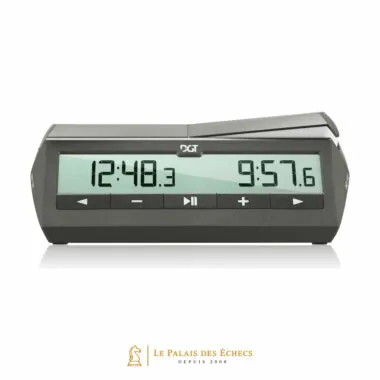
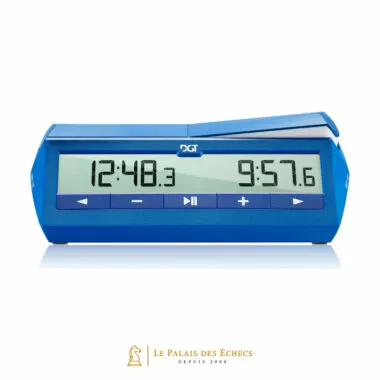
DGT Chess Clocks
€59.29
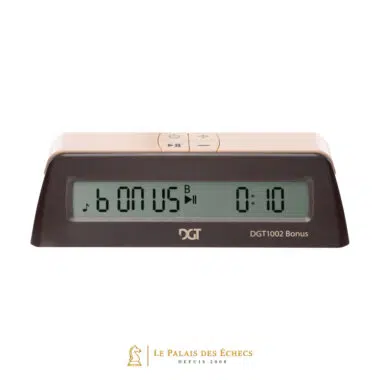
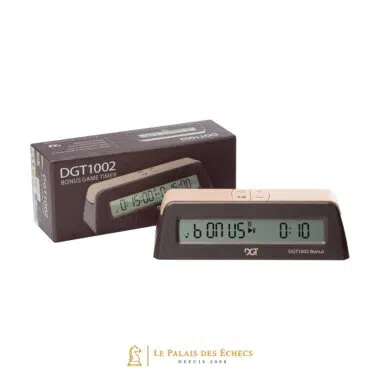
DGT Chess Clocks
€52.57
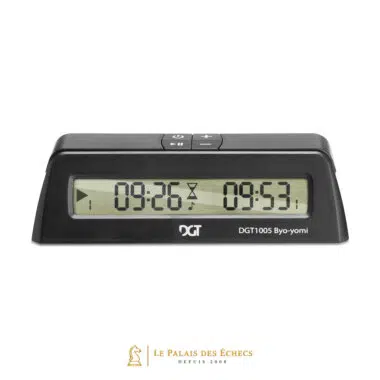
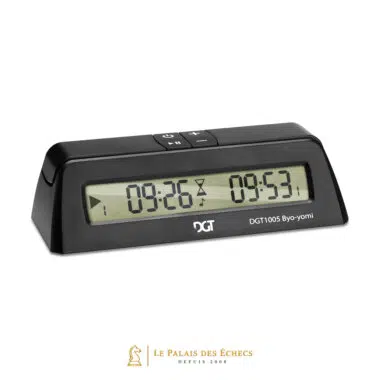
DGT Chess Clocks
€54.83
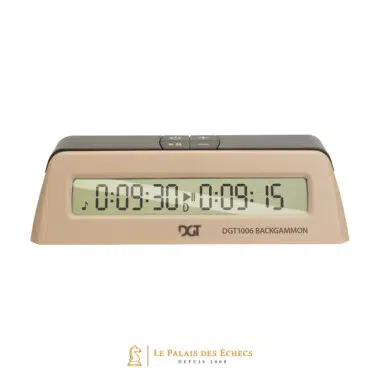
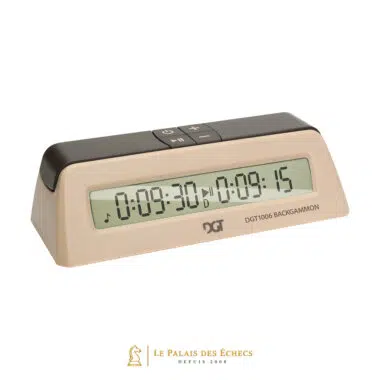
DGT Chess Clocks
€54.83
DGT Chess Clocks
€61.03
€82.02
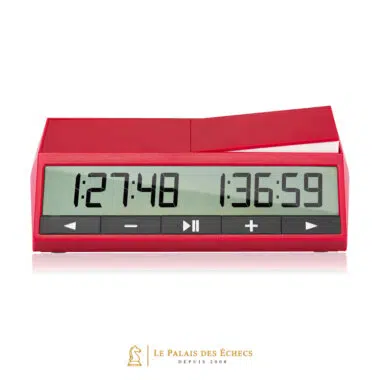
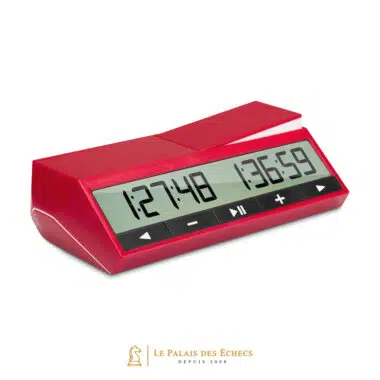
DGT Chess Clocks
DGT 2500 official FIDE chess clock, not compatible with e-Boards
€88.67
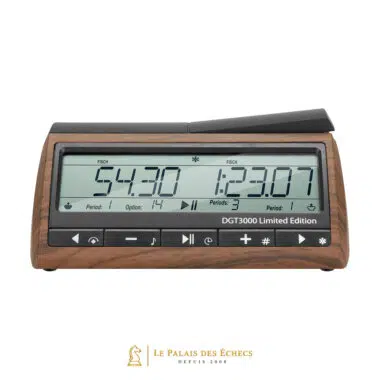
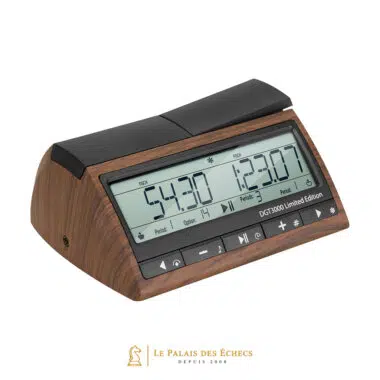
DGT Chess Clocks
DGT 3000 Limited Edition Wood-Effect Chess Clock, FIDE-Approved
€105.40
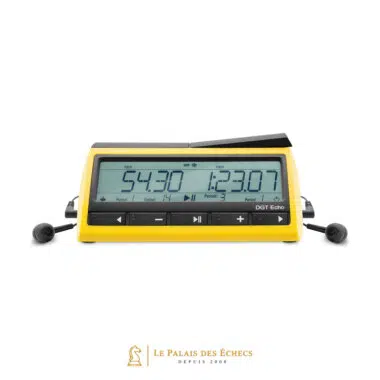
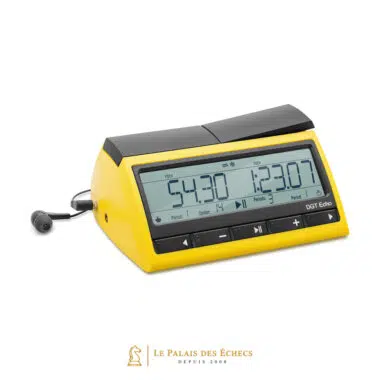
DGT Chess Clocks
DGT Echo Talking Chess Clock for Blind and Partially Sighted Players
€277.54
or 3 × €92.51 interest-free
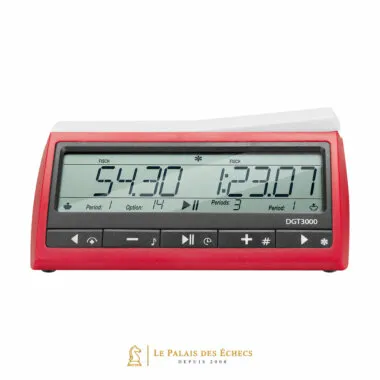
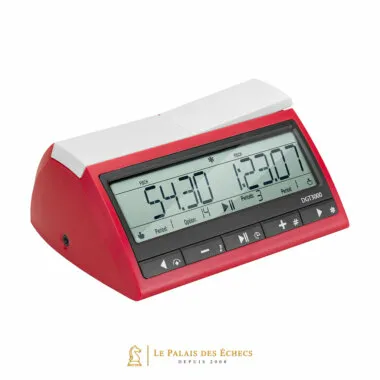
DGT Chess Clocks
DGT 3000 FIDE-approved chess clock, connects to DGT e-Boards
€101.06
€145.98
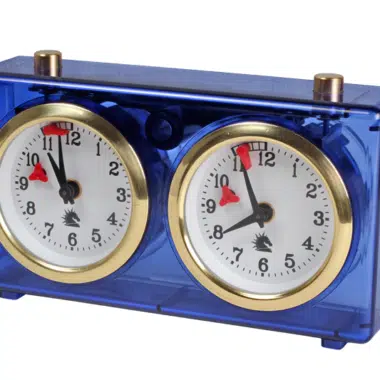
How do chess clocks work?
Once the game has begun, the system can be started. From there, it works on a back-and-forth basis, continuously tracking playing time until the game ends.
Each player has their own clock, with a button positioned just above it. By pressing this button after making a move, a player stops their own countdown while simultaneously starting their opponent’s. Each player has their own limited time, set in advance by the organisers or the players themselves.
Frequently asked questions
Mechanical or digital chess clock: which should you choose?
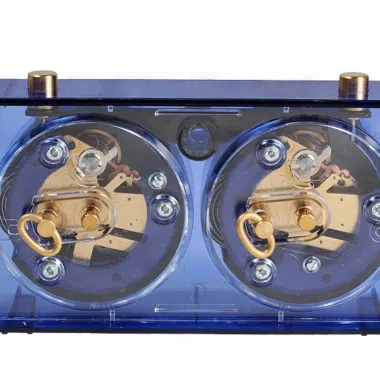
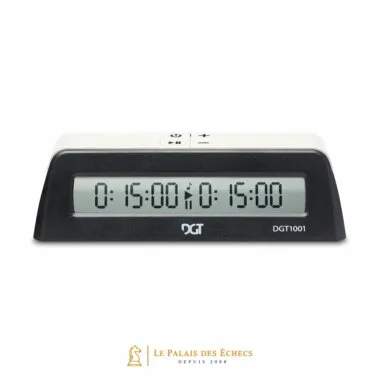
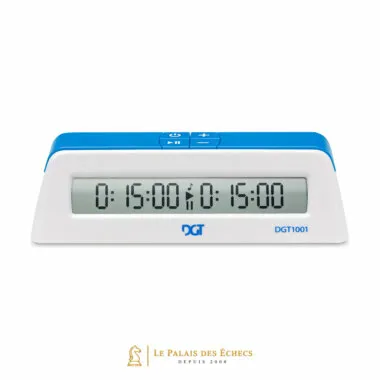
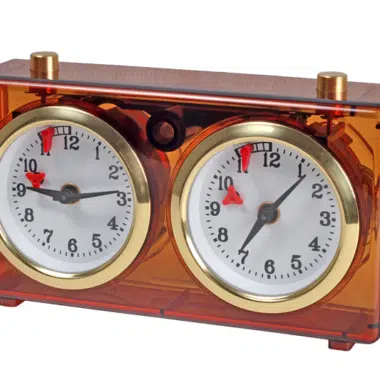
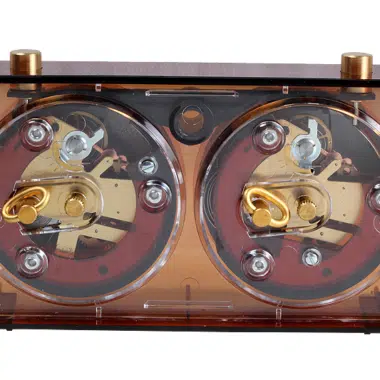
The wind-up mechanical clock, with its flag, is appealing for its classic look and needs no batteries; quartz models do require one. It cannot handle increments. The digital clock offers various time controls, including Fischer or increment settings, and suits tournament play. For club or competitive use, we recommend choosing digital.
What is Fischer time control?
Fischer time control adds a few seconds to a player's clock after each move played. It prevents endgames being played out in a matter of seconds. A common setting is three minutes with a two-second increment. Only digital clocks allow this setting.
How do you set a chess clock?
On a mechanical model, both dials are set to the same position, then time starts when you press your opponent's button. On a digital model, you choose the time control from the menu, confirm it, then the first player starts their clock. The instructions on each product page detail the steps.