What this board does
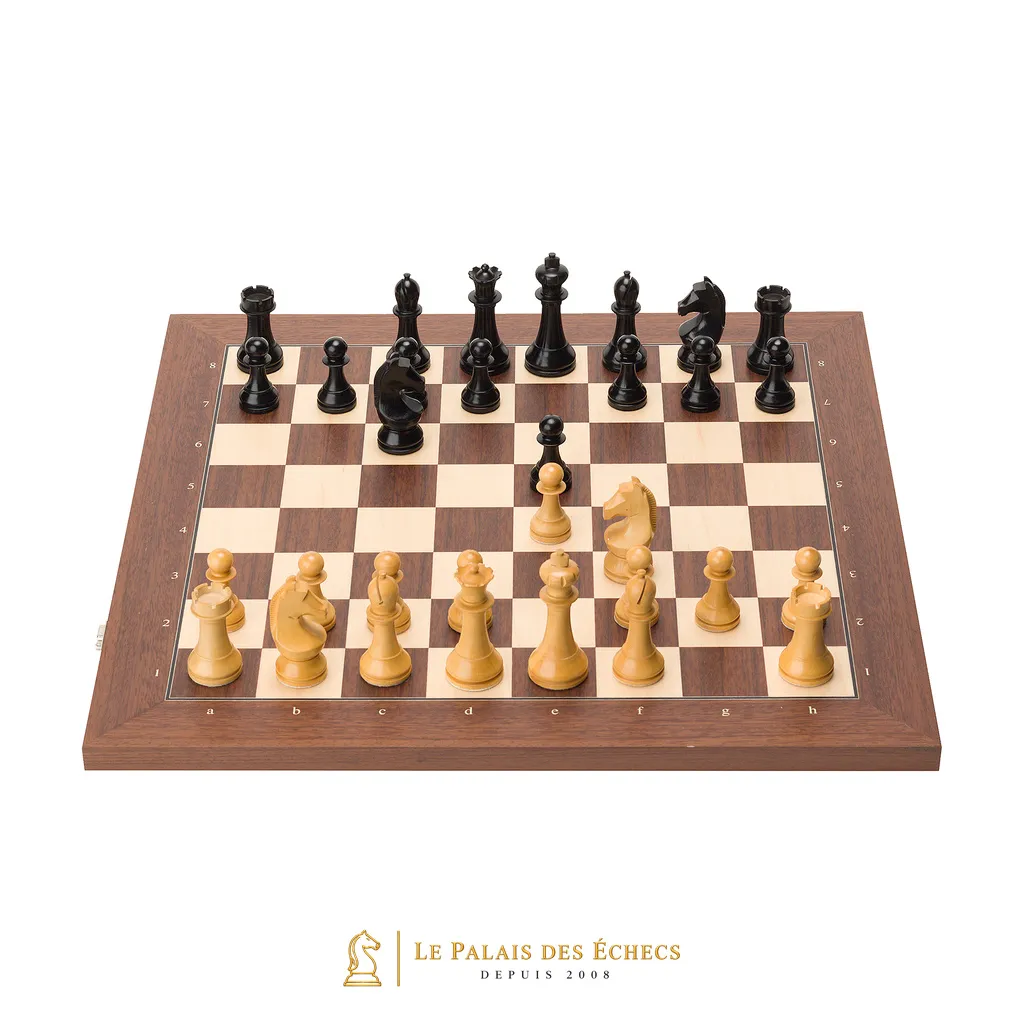
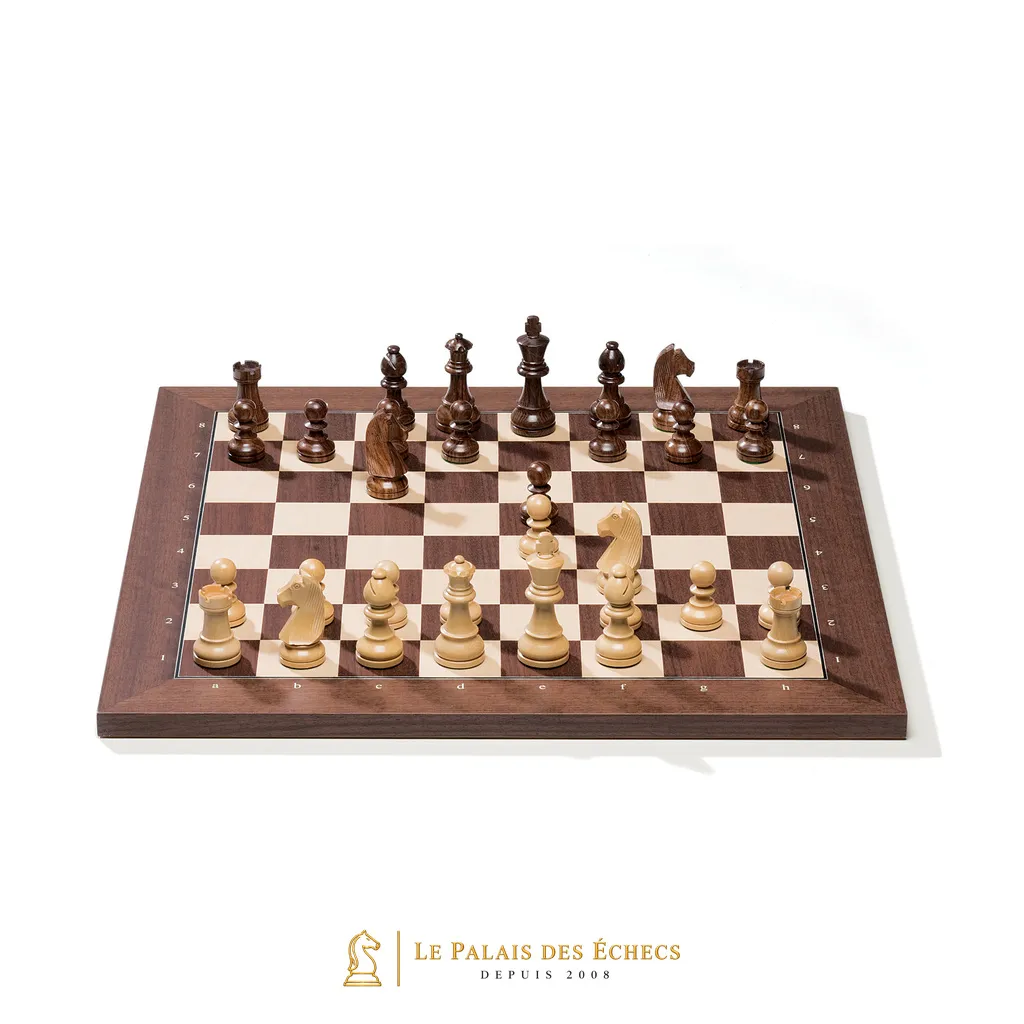
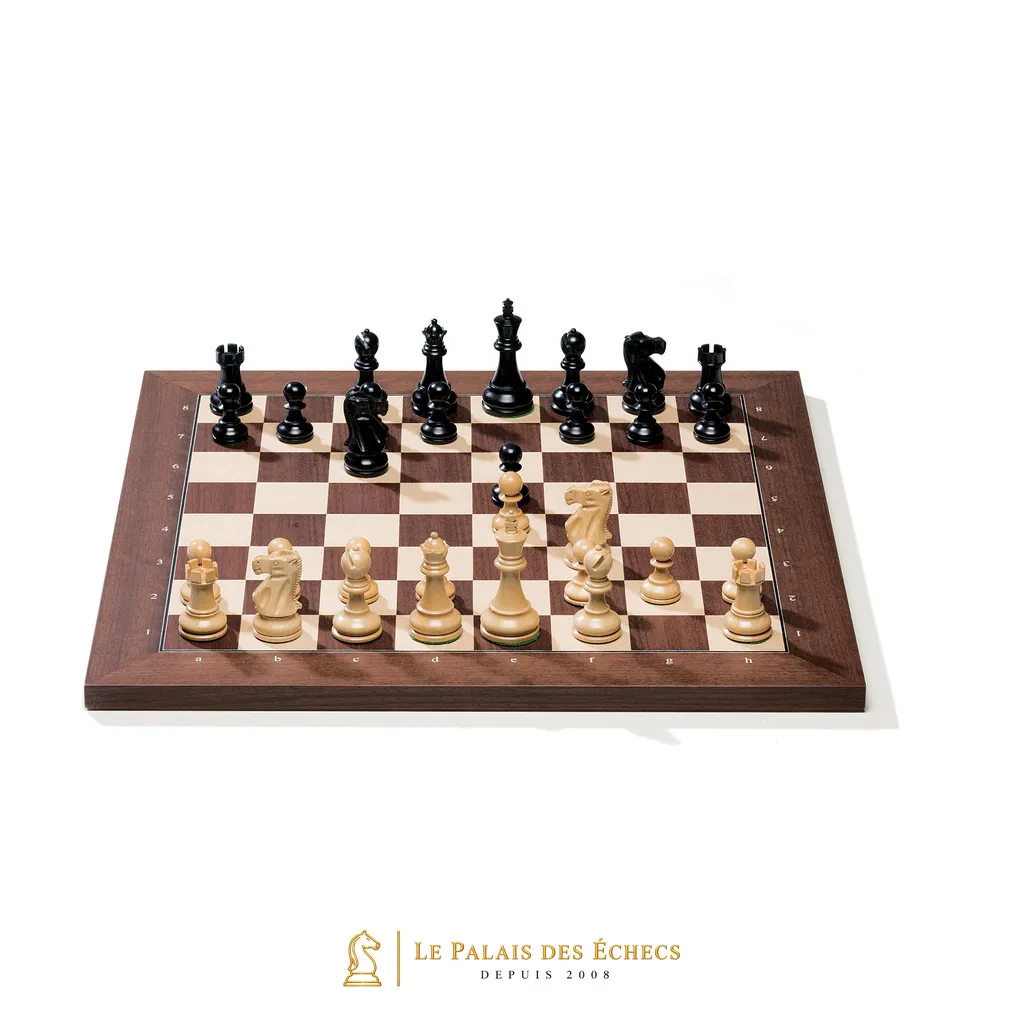
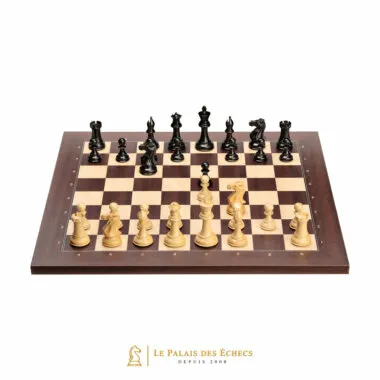
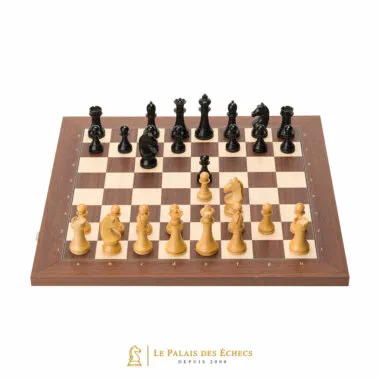
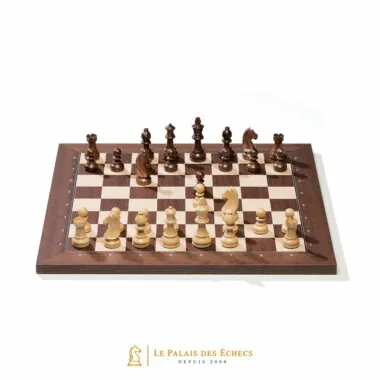
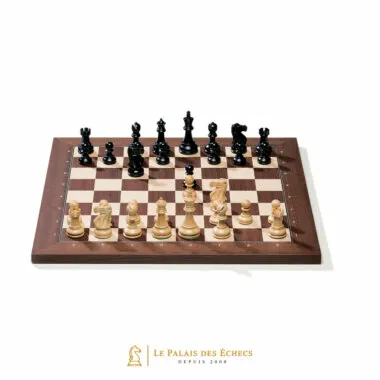
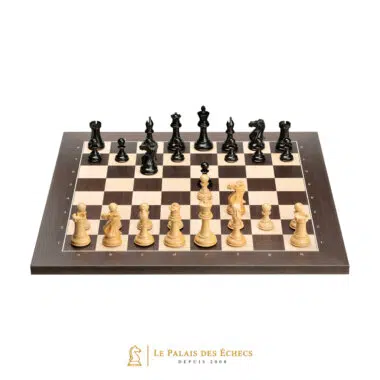
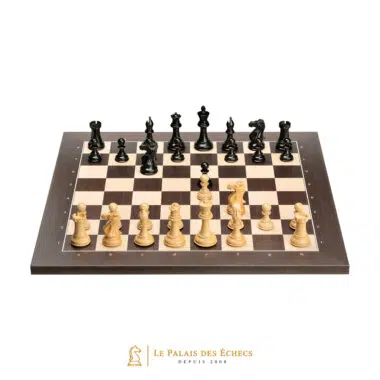
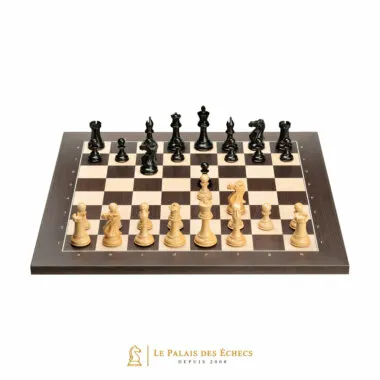
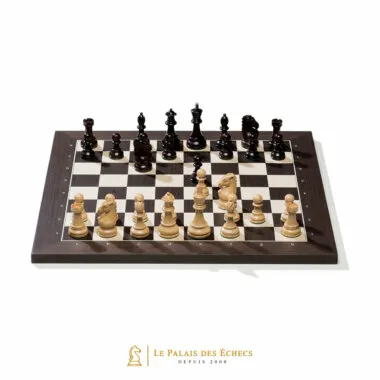
Beneath the rosewood surface, DGT electronics detect the pieces placed on it and record every move. Connected to a computer via the connection kit, the board can be used to record, analyse or broadcast games with LiveChess, DGT's free software for Windows, Mac or Linux. Its primary purpose remains tournament play: unlike the USB e-Boards in the range, it can be daisy-chained to other boards.
Rosewood and coordinates
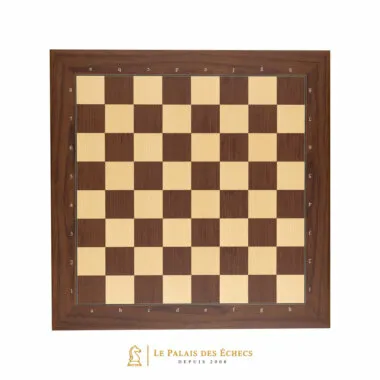
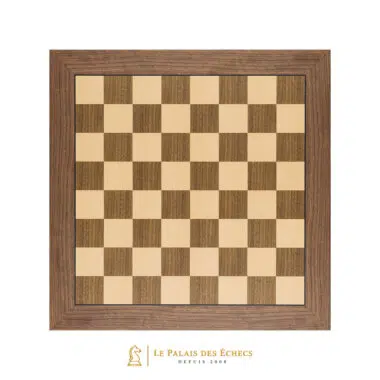
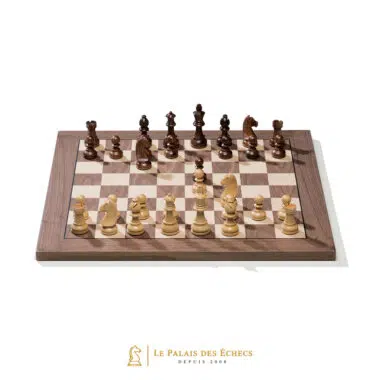
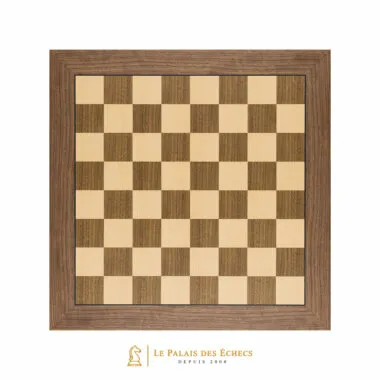
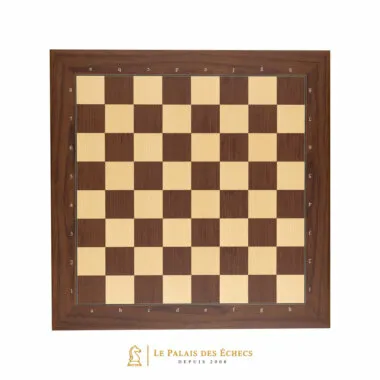
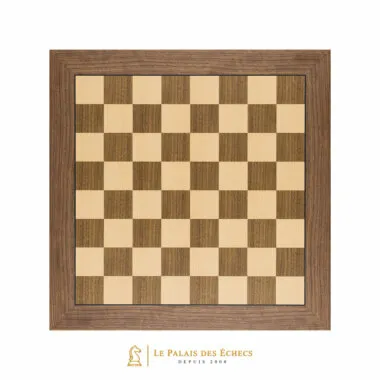
Of the three finishes in the DGT tournament board range, rosewood and wenge carry coordinates around their edge, while walnut does not. Otherwise, all three versions share the same size, 5.5 cm squares and USB-C connectivity.
A single board at home
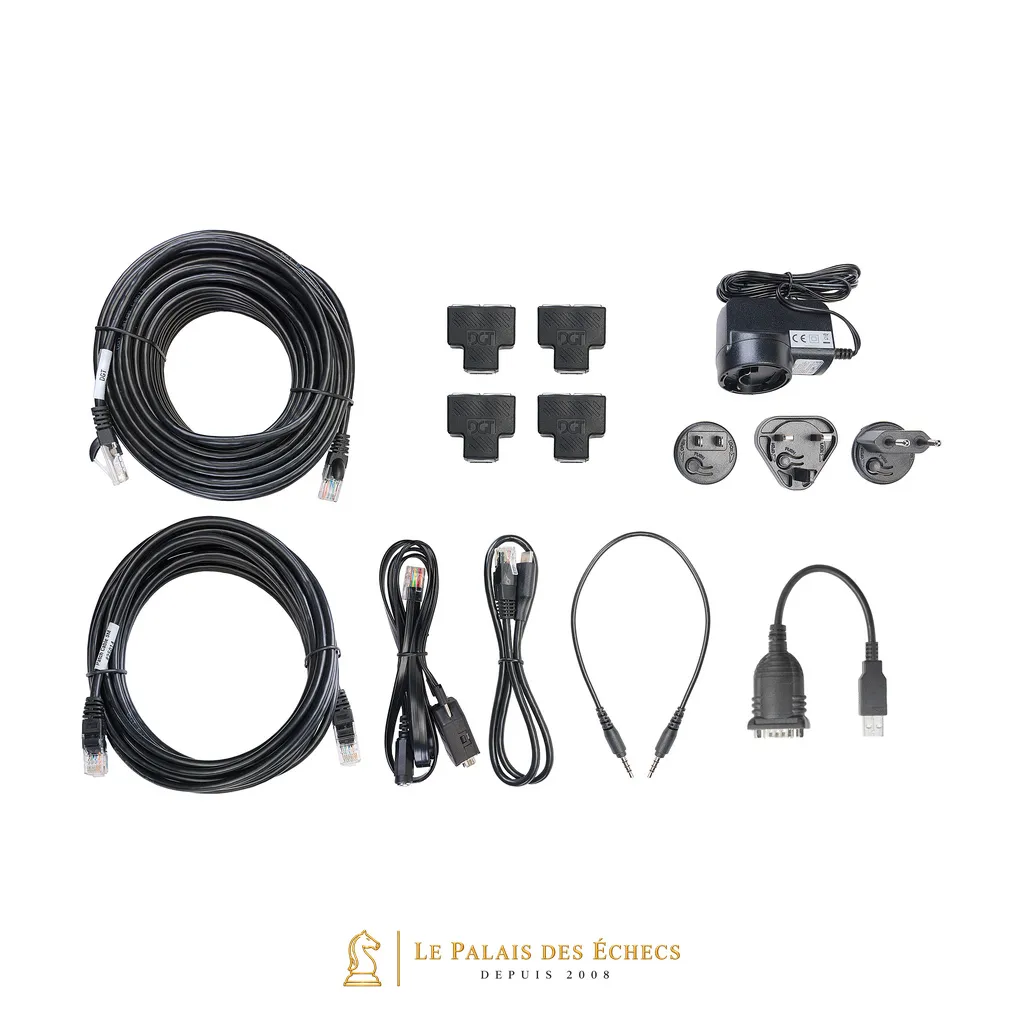
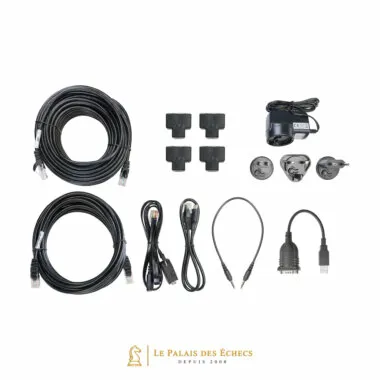
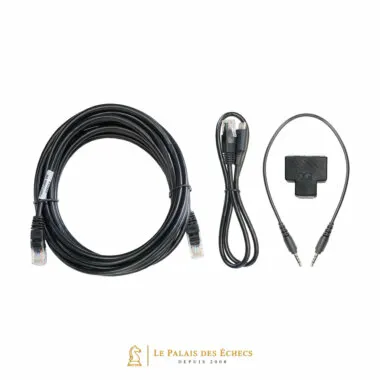
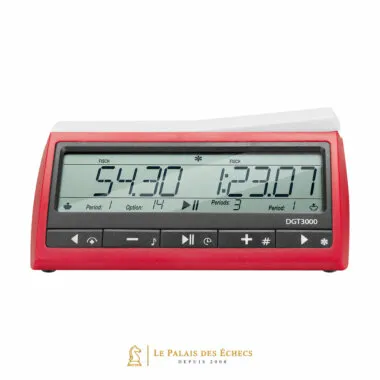
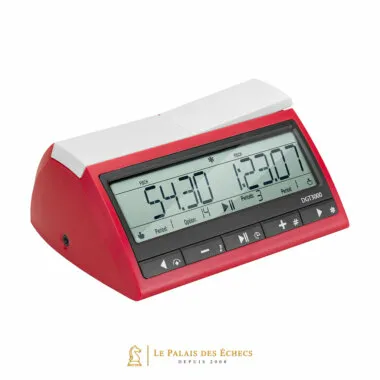
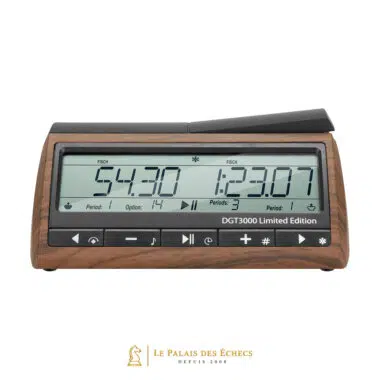
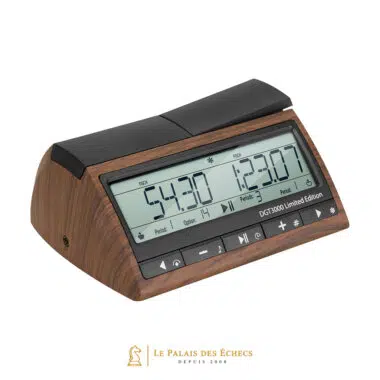
The board has no cable or power supply of its own. The connection kit for the first board (DGT 25002) fills this gap and is enough for all individual uses: keeping a record of your games, playing against a program, playing online, or connecting a DGT 3000 or the DGT Pi. Once powered, the board stores around 500 moves, which can be retrieved in PGN format via LiveChess. DGT recommends unplugging it while setting up or putting away the pieces, so that memory is reserved for the game itself. Fritz software is not included with this board.
Several boards in a chain
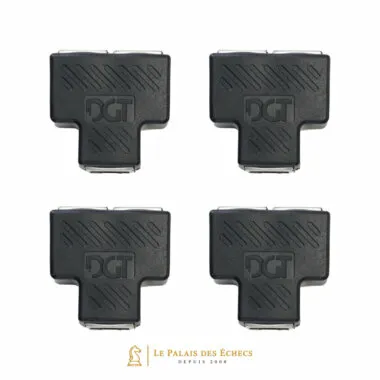
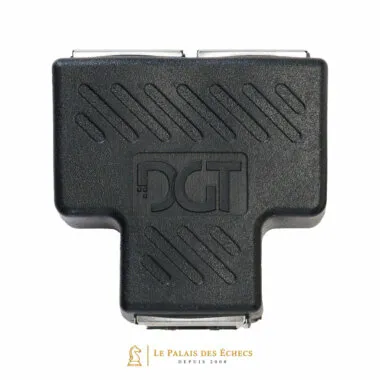
A chain can include up to 12 chess boards, powered by the first board's kit. Each of the following 11 boards connects via its own additional kit (DGT 25003), and the chain links to a computer's USB or serial port. A chain can combine wooden boards and plastic Smart Boards. Beyond 12 boards, a new chain starts again with a first-board kit.
Where to place it
Detection is sensitive to metal: avoid metal tables or boards with a metal structure underneath, and keep screens, speakers and power units away. For purely domestic use, without chaining, the USB e-Boards in the range do not require a connection kit.















 Français (Belgique)
 Français (Canada)
 Français (Luxembourg)
 Français (Suisse)
 Deutsch (Österreich)